Mastering Linen Fabric Artistic Canvas Procreate for Digital Textures
The evolution of digital illustration has bridged the gap between traditional tactile media and modern screen-based creation. For artists seeking authenticity in their work, the sterile smoothness of a standard digital canvas often feels limiting. This is where specialized tools like Linen Fabric Artistic Canvas Procreate become indispensable. By integrating realistic textile simulations into your workflow, you can achieve a depth and organic quality that mimics physical painting surfaces. The inclusion of background canvas artistic texture overlays and specific background brushes with linen and fabric texture allows creators to produce work that resonates with the warmth of handcrafted art.
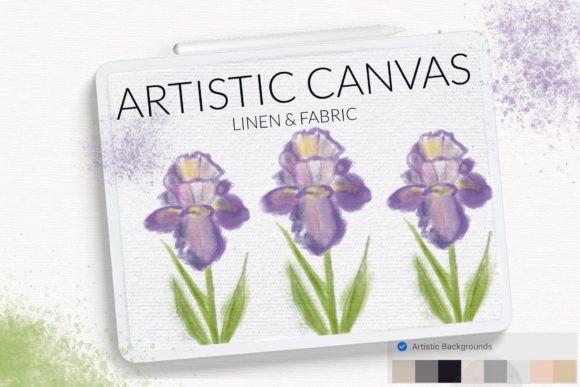
This comprehensive set includes nine distinct brushes in one brush set, designed to replicate the nuanced imperfections of real-world materials. Specifically, it features two linen canvas textures, a burlap canvas option, one burlap texture brush, two soft fabric texture canvases, two fabric texture background brushes, and two crinkled canvas brushes. Additionally, the bonus color swatches color palette provides specific colors curated to complement these earthy, textured aesthetics. Understanding how to leverage these assets can transform your digital portfolio, offering a unique selling point in crowded marketplaces.
The Aesthetic Value of Textured Digital Surfaces
Texture is not merely a visual element; it is a psychological cue that suggests history, touch, and materiality. When viewers engage with digital art that incorporates linen and fabric texture, they subconsciously associate the piece with traditional fine art practices. Linen, historically preferred by oil painters for its durability and fine weave, offers a sophisticated backdrop that enhances pigment visibility without overwhelming the subject. In contrast, burlap provides a rustic, coarse narrative suitable for folk art, vintage designs, or rugged interior sketching concepts.
Using Background canvas artistic texture overlays allows artists to break the monotony of flat color fields. Instead of relying solely on brush strokes to create interest, the substrate itself contributes to the composition. This approach is particularly effective in greeting cards and wall art design, where the emotional tone is often set by the perceived medium. A soft fabric texture might evoke comfort and intimacy, while a crinkled canvas could suggest age, memory, or decay. These subtle distinctions enable creators to communicate more complex narratives through their visual choices.
Practical Applications Across Creative Industries
The versatility of this brush set extends far beyond simple illustration. Professionals in various sectors can integrate these tools to enhance their deliverables. For interior designers and architects, digital sketching benefits immensely from realistic paper and fabric backgrounds. Presenting a furniture concept on a soft fabric texture canvas helps clients visualize how materials interact in a physical space, bridging the gap between technical drawing and lifestyle marketing.
- Scrapbooking Design: Digital scrapbookers can use the burlap and linen textures to create layered, nostalgic layouts without the mess of physical adhesives and papers.
- Greeting Cards: The organic feel of crinkled canvas brushes adds a handmade charm to digital invitations and holiday cards, making them feel personal and thoughtful.
- Wall Art Design: Artists selling prints can pre-texture their files so that even standard digital prints retain an artistic, gallery-worthy appearance.
- Interior Sketching: Quick conceptual sketches gain credibility when rendered on backgrounds that mimic the materials being proposed, such as upholstery fabrics or wall coverings.
Moreover, educators teaching digital art can use these brushes to demonstrate the importance of substrate selection. Just as a watercolorist chooses cold-press versus hot-press paper, a digital artist must choose the right virtual canvas to support their technique. This educational angle highlights the professional rigor involved in high-quality digital production.
Workflow Integration: Seamless Texture Application
One of the primary advantages of this toolset is the ease of integration into existing workflows. The ability to add any texture to your work with seamless brushes simplifies the creative process. Rather than importing external image files and managing complex layer masks, artists can paint texture directly onto their canvas. This non-destructive method allows for experimentation without committing to a permanent background early in the process.
To achieve the best results, the recommended technique involves painting a layer over your illustration using the desired texture brush. Once applied, changing the layer overlay mode is crucial. Modes such as Multiply, Overlay, or Soft Light interact differently with the underlying colors. For instance, using Multiply with a dark linen texture will deepen shadows and add grain, while Overlay might enhance contrast and highlight the weave pattern. This flexibility ensures that the texture complements rather than competes with the main subject matter.
The inclusion of nine brushes in 1 brush set means that artists have immediate access to a variety of weaves and densities. Switching between a fine linen and a coarse burlap can be done instantly, allowing for dynamic adjustments during the creative flow. This immediacy is vital for maintaining momentum, especially when working on tight deadlines for commercial projects.
Technical Considerations for iPad Users
It is important to note that these tools are optimized specifically for the iPad ecosystem. Being only for iPad Procreate, they leverage the tablet’s touch interface and pressure sensitivity to deliver a natural painting experience. The Apple Pencil’s tilt and pressure data interact with the brush engines to simulate the way bristles catch on rough fabric or glide over smooth linen. This hardware-software synergy creates a tactile feedback loop that is difficult to replicate on other platforms.
However, users must ensure their software environment is compatible. While modern versions of Procreate handle these assets seamlessly, those with older devices or software versions need to follow specific installation protocols. Understanding the technical requirements prevents frustration and ensures that the brushes function as intended.
Installation Guide for Legacy Systems
For users operating on older iPads or Procreate version 4.0 or earlier, the installation process requires manual file handling. This method ensures that the .brush and .brushset files are correctly recognized by the application. Following these steps precisely will guarantee a smooth setup:
- Download the folder containing the .brush file to your designated folder on your iPad. Ensure the file is saved in a location accessible via the Files app.
- Open the folder and locate the specific .brush files you wish to install.
- Tap and hold the file with your finger or Apple Pencil to bring up the context menu.
- Choose "Share" from the menu options. This action opens the iOS sharing sheet.
- If the option "Open in Procreate" is missing from the initial list, click on "More" to view additional apps.
- Scroll through the list to find the option "Open in Procreate" and click on it. This imports the brush directly into your current brush library.
- Open your project in Procreate and click on the brush icon at the top right corner of the interface. Your new textures should now appear in the imported section.
This manual process, while slightly more involved than direct import, ensures compatibility across a wider range of devices. It also gives users greater control over which specific brushes are added to their library, allowing for a customized toolkit tailored to their specific artistic needs.
Enhancing Color Harmony with Bonus Palettes
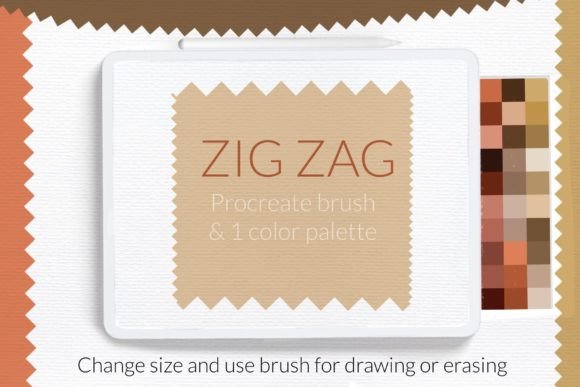
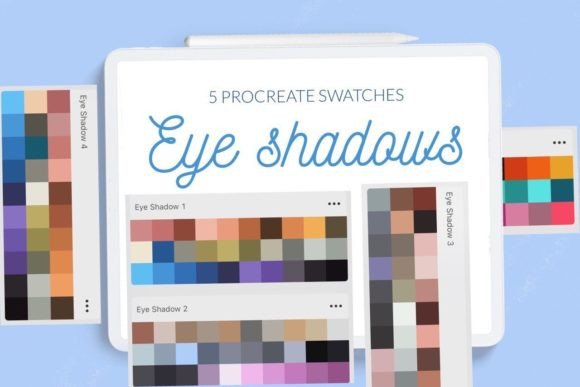
Texture and color are inextricably linked. The way light interacts with a linen weave differs significantly from how it reflects off a glossy surface. To address this, the set includes a bonus color swatches color palette with specific colors chosen to harmonize with the included textures. These hues are typically muted, earthy, or neutral, reflecting the natural origins of linen and burlap.
Using these predefined colors can accelerate the design process. Instead of spending time searching for the perfect beige or slate gray, artists can select from a curated range that is guaranteed to look cohesive against the textured backgrounds. This attention to detail demonstrates a deep understanding of color theory and material science, providing users with a professional-grade starting point for their compositions.
In conclusion, integrating Linen Fabric Artistic Canvas Procreate tools into your digital arsenal offers a pathway to richer, more expressive artwork. By combining realistic texture brushes with strategic layering techniques and thoughtful color selection, creators can produce digital pieces that possess the soul and substance of traditional media. Whether for commercial design, personal expression, or educational purposes, these assets provide the necessary foundation for elevating digital art to new heights of realism and emotional resonance.